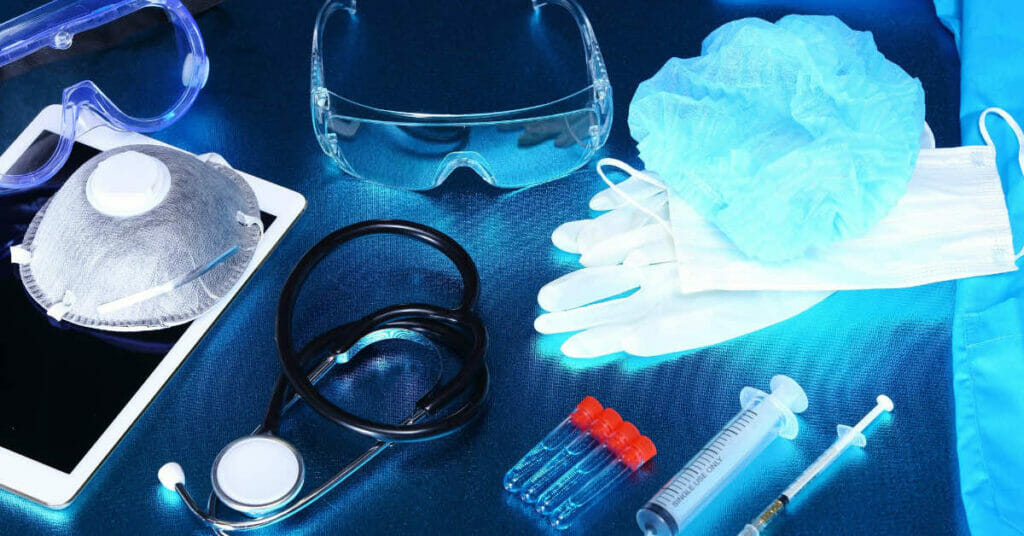
As healthcare delivery becomes increasingly complex, it is of paramount importance to be aware of healthcare essentials for the healthcare system to be patient centric and safer in every aspect including the healthcare staff and organisational safety. Besides the involvement of healthcare staff, the role of the patient and its family, the community cannot be dismissed. In my whole clinical career of over 25 years as an anaesthesiologist along with over 20 years of working on patient safety as my passion, learnings urge me to share the tips for a robust and safer healthcare system.
Introducing essential safety protocols for healthcare professionals – learn 7 effective tips to ensure patient safety in a healthcare system.
1. Efficient Healthcare Facility Design
Designing any healthcare facility needs to have a collaborative participative approach at a very initial stage of building plan by inclusion of experienced critical care and operation theatre consultants, infection control officer and quality consultants. Nitty gritty of day to day working, advantages and disadvantages of a departmental structure can be best understood by the end users. Users inputs result in best patient and staff friendly infrastructure especially with respect to infection control, facility risk hazards prevention e.g. fall and other injuries.
I have seen ICU’s being designed by some of the best designers with oxygen, compressed air and vacuum outlet points installed right at the back of the head end of the patient’s bed. This form of designing is not safer for the patient because of risk of tubing disconnection and also not convenient for the ICU staff while he or she is working from the head end of patient’s bed. Another common example is non-existence of clean and separate medication preparation area for nurses in various wards. All of such challenges can be addressed with early planning and involvement of right mix of team at the time of construction and renovation.
2. Appropriate Manpower and Equipment Planning
Manpower
A judicious mix of adequate number and skilled manpower as per the specialities, vision and mission of the organisation need to be recruited along with cost optimization. When I say appropriate, positive attitude of the hired staff is the most important characteristic, be it in a leader or in subordinate staff. All systems and processes for a safer environment can only be implemented with a positive approach team. Skills can be learned and improved but attitude is difficult to change.
Equipment
Besides procuring all the required utility and medical devices and equipment for the functioning of a department, budgeting for smaller equipment is equally important. For example, biological indicator culture machine in laboratory which gives result within 2-3 hrs or POCT (Point of control test) for Trop I in cardiac centres/in Emergency Rooms/ICUs. I have seen in multiple centres procurement of such equipment take backstage because initially these were not budgeted, hence compromising infection control measures and timely decisions in cardiac care respectively.
3. Documentation of Policies and Procedures by Stakeholders
Implementation of safer healthcare practices in every department mandates the documentation of various policies, procedures, guidelines and protocols. In my career of quality journey and passion for patient safety, I have ensured that users write their documents as per required quality standards. This has always resulted in better and sustainable implementation.
4. Robust Infection Control Program
No patient enjoys infection, be it healthcare associated or outside healthcare facility. Hand hygiene; antibiotic stewardship programs; disinfection and sterilisation protocols for equipment, devices and facility; safe injection practices; biomedical waste disposals are prominent areas which need efficient implementation for facility to be safer. The key is involvement of clinicians, nurses, critical care and OT incharges, CSSD, housekeeping staff by infection control officers and infection control nurses in hospital infection control meetings and audit processes. Moreover the patient and family education plays a significant role in reduction of hospital associated infection (HAI) and other infection.
5. Healthcare Incidents and Error Reduction Strategies
Medication errors; wrong site, wrong side and wrong patient surgeries and/or procedures; patient falls; hospital acquired pressure ulcers (HAPU); Thrombophlebitis; surgical site infection (SSI); central-line associated bloodstream infection (CLABSI); catheter-associated urinary tract infection (CAUTI); ventilator-associated events (VAE); non-ventilator-associated hospital acquired pneumonia are some of the errors and incidents encountered in healthcare facilities. Reduction strategies include, but not limited to, careful planning of preventive steps, root cause analysis, corrective and further preventive actions in case of occurrence. Multiple times it has been seen that actions are taken without the involvement of concerned stakeholders especially clinicians. It is recommended to have an effective incident committee with clinicians also as the members. In my own experience we were able to reduce the incidents by around 60% because of regular monthly conduction of incident committee along with clinicians and other concerned stakeholders.
6. Effective Healthcare Communication
Various research articles indicate that ineffective communication among health care professionals is one of the leading causes of patient harm and medical errors. Usage of SBAR (Situation, Background, Assessment and Recommendation) tool, multidisciplinary rounds with comprehensive actionable care plan, escalation matrix where nurses escalate change in patient condition to physicians in timely manner, written shift handovers, written handovers during shifting of patients for diagnostic or therapeutic procedure are some of effective healthcare communication ways. In my experience healthcare communication workshops for physicians and staff have been instrumental for improving patient safety.
7. Patient and Family Education
Patient and family education (PFE) makes the healthcare facility safer in various aspects and the education should commence right from the area to which the patient comes in his or her first visit to healthcare facility e.g in OPD the fall prevention education can be imparted with display of posters and verbal education during nursing assessment. Brochure /pamphlets with brief education on prevention of HAI, Hand hygiene, vaccination, common food drug interaction, rights and responsibilities of patients with verbal reinforcement by healthcare professionals at various point of contact supplements all the efforts for patient safety by any healthcare facility.
To Sum Up
Patient safety in any healthcare facility depends upon its infrastructure designing, careful manpower and equipment planning; various policies, procedures and protocols; a robust infection control program; healthcare incidents and errors reduction strategies; effective communication and participation of patient and family in their own care by effective education.